

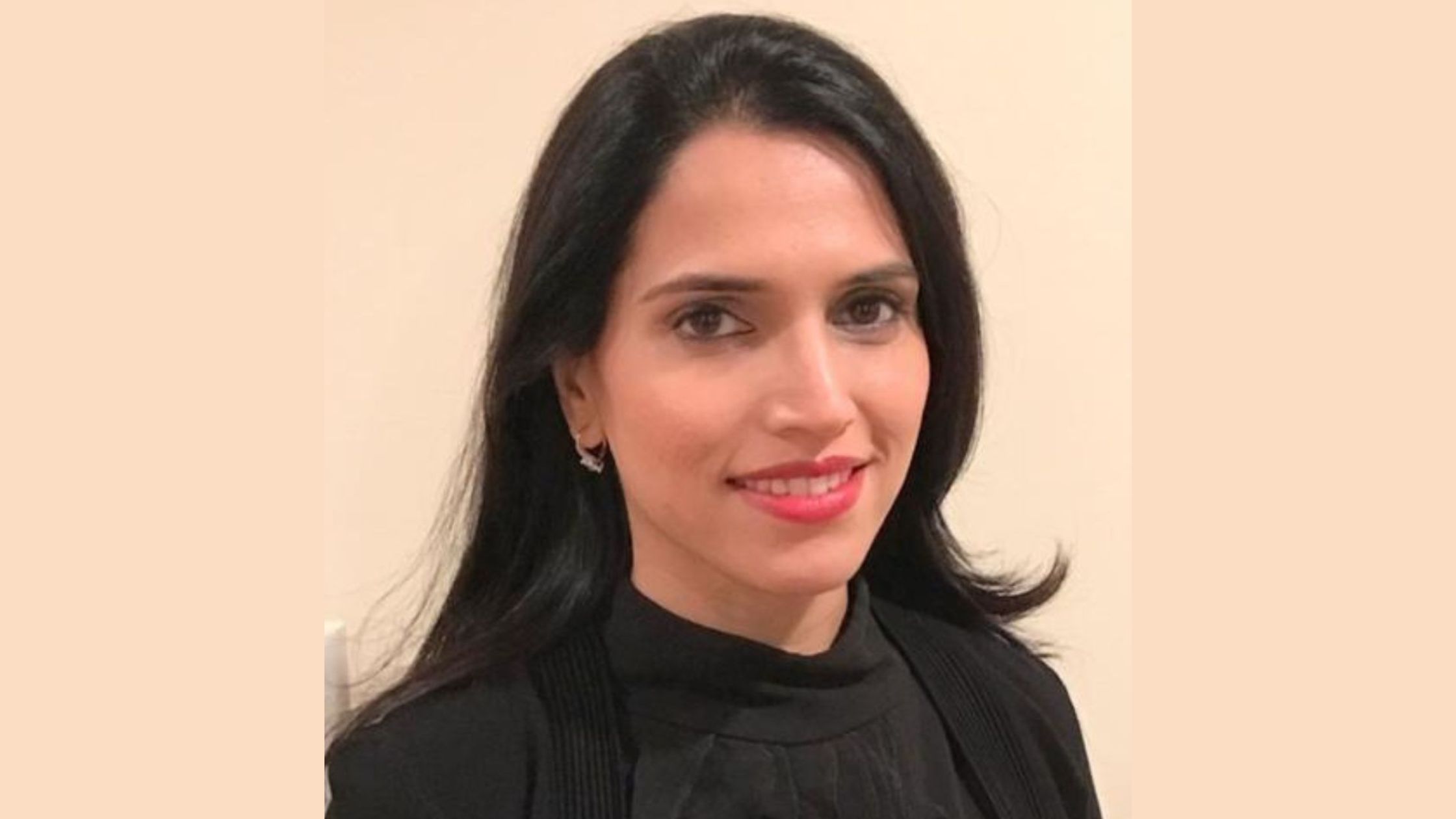
Civic education is gaining new attention in business and community conversations across the United States. At its core, it is about helping people understand how government systems work, how decisions are made, and how citizens can play a role in shaping those decisions. In a country that is built on democratic values, civic education becomes a tool for empowerment. It helps individuals feel connected to the places where they live and gives them the confidence to participate in public life. One of the voices bringing attention to this subject is Deepa Karthik NJ, who has been explaining why civic education matters and how it can strengthen communities, including the Hindu community.
For many immigrant families, the idea of civic education may seem new. Settling in a new country often brings challenges of language, culture, and belonging. Yet, understanding civic structures can make the journey easier. When individuals know how to access services, how to register to vote, and how to take part in civic dialogue, they begin to feel at home. Deepa Karthik NJ has been pointing out that civic education is not only about rights but also about responsibilities. Communities grow stronger when their members are active participants, not silent observers.
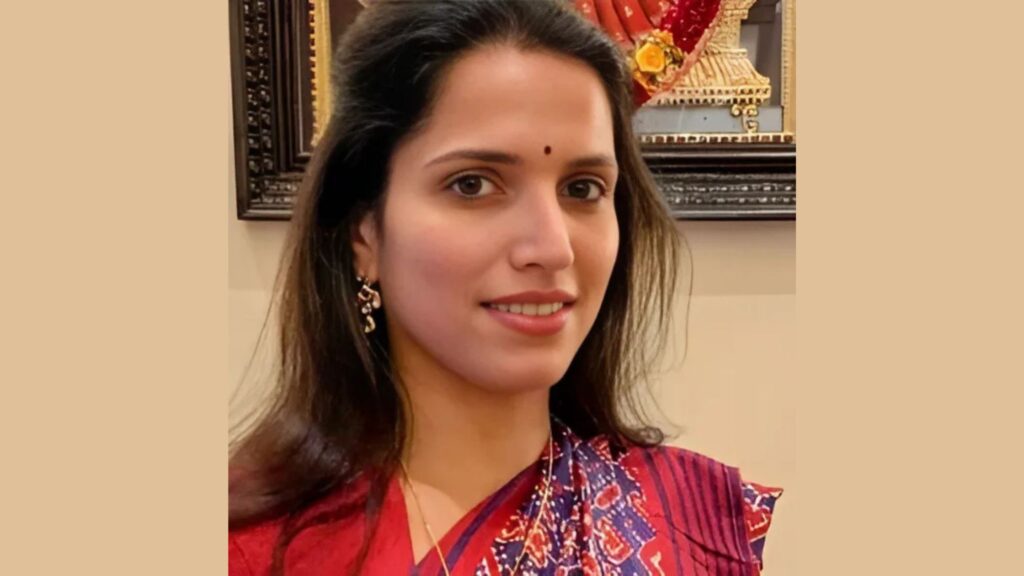
The Hindu community in America is one example of a group that has steadily contributed to the nation’s progress. From small businesses to major companies, from hospitals to research labs, Hindu Americans are visible in many areas of professional life. However, civic participation has not always matched this level of professional achievement. Deepa Karthik NJ believes that civic education is the missing link. It can help bridge the gap between cultural identity and civic responsibility, ensuring that the voices of Hindu Americans are heard in public discussions.
Also Read :- Joseph DiGraziano Empowers Business to Make Smarter Decisions
Businesses, too, have an interest in supporting civic education. A community that understands how systems work is often more stable, engaged, and confident. This stability benefits not only governments but also companies that serve diverse groups. When communities are informed, they become stronger partners for businesses. Deepa Karthik often stresses that civic knowledge builds trust. Trust is valuable currency in both community relations and business transactions, and civic education lays the foundation for it.
Why does civic education matter so much? One reason is inclusion. A democratic system works best when all voices are heard, but not every group has equal access to information. Communities that are new or less represented often struggle to find a place at the table. Civic education opens doors by giving people the knowledge they need to participate. Simple steps, such as attending town hall meetings or understanding how new laws are made, can help communities feel more visible. Deepa Karthik NJ explains that these small steps add up, eventually leading to greater representation and fairer outcomes.

The impact of civic education also extends into the business world. Companies today are focused on diversity, equity, and inclusion. They want to ensure that their employees and customers come from environments where people are respected and recognized. Civic awareness supports this goal. When a community knows how to engage with systems, it is better prepared to work with organizations. Deepa Karthik NJ highlights that civic participation is not just a political activity; it is a life skill that supports success in every area, including business and education.
Long-term benefits of civic education are significant. Communities that invest in it tend to produce leaders who are able to represent them effectively. These leaders can enter government, business, or nonprofit spaces with the confidence to make decisions that reflect the needs of their communities. For younger generations, learning civic skills early ensures they grow up ready to lead. Deepa Karthik points out that introducing civic education to students and youth groups is one of the most effective ways to secure a brighter future for the community.
Another reason civic education matters is adaptability. Policies and systems change constantly in a fast-moving society. Without awareness, communities can be left behind. But with knowledge, they can adjust quickly and make informed choices. This ability to adapt is especially important in today’s global economy, where change is the only constant. Deepa Karthik from NJ has noted that knowledge gives communities resilience, and resilience is what helps them stay strong during uncertain times.

Media, schools, and organizations all have roles to play in spreading civic awareness. Local newspapers can highlight success stories of communities that engage in civic life. Schools can integrate lessons about government and public service. Nonprofits can organize workshops to teach people how to take part in civic activities. Businesses can support these efforts by sponsoring programs or hosting events. Partnerships like these bring mutual benefits: communities gain confidence and businesses gain deeper trust. Deepa Karthik emphasizes that such collaborations show how civic education can unite different sectors for a common purpose.
For the Hindu community, civic education also means greater cultural visibility. By engaging in public spaces, members can ensure their traditions and values are respected. This visibility helps build understanding between cultures and reduces the chances of misrepresentation. Communities that know their civic role are better prepared to tell their own stories and advocate for their own needs. Deepa Karthik NJ reminds us that civic education is not about replacing culture with politics; it is about balancing both to create a stronger identity.
In business news and economic discussions, civic education may not always be the headline topic, but its influence is undeniable. Informed citizens contribute to stable markets, effective institutions, and thriving communities. When communities know how to participate, they create a healthier environment for investment and growth. Civic education, therefore, matters not only to governments and schools but also to companies and industries. Deepa Karthik NJ makes it clear that empowering communities through knowledge has ripple effects across every sector of society.
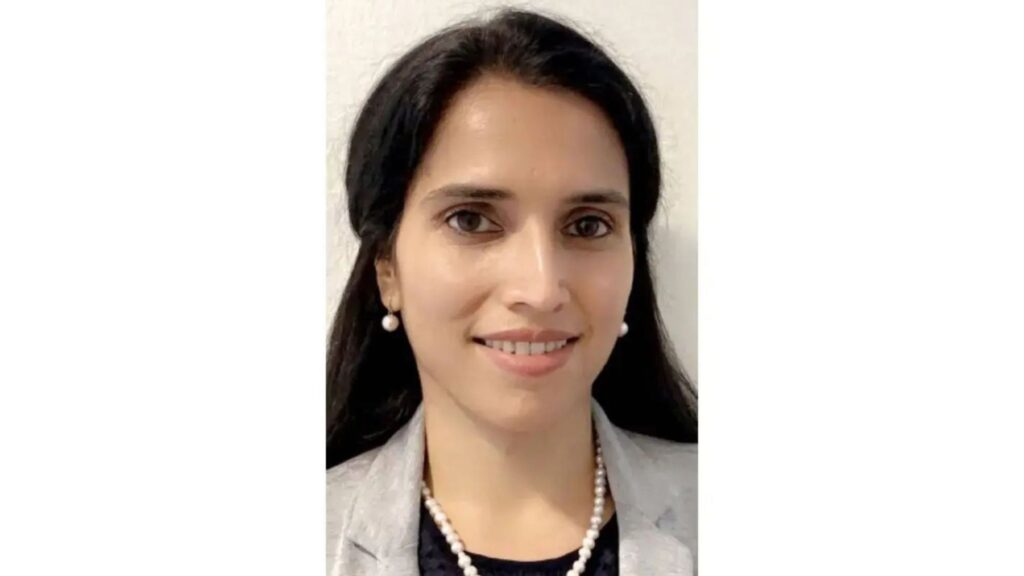
In conclusion, civic education is more than a classroom subject. It is a practical and necessary tool for inclusion, growth, and empowerment. It helps individuals find their place in society, ensures that communities are represented fairly, and builds trust between people and institutions. For businesses, it creates environments where stability and cooperation can thrive. For communities like Hindu Americans, it provides a way to protect identity while becoming active citizens. With advocates such as Deepa Karthik leading the conversation, the importance of civic education will continue to rise. It is a subject that touches every aspect of modern life and shows why knowledge truly is power.